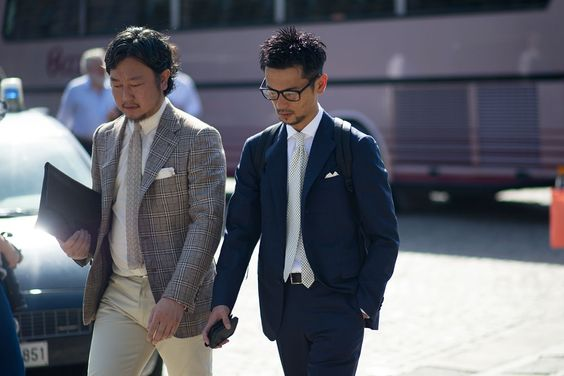
In today’s fiercely competitive society, image is more than just a superficial concept; it carries countless significant implications and influences. For men, a suit is a silent language, a symbol of confidence, professionalism, and class. However, the dazzling array of ready-made suits available on the market often fails to meet the unique needs and body characteristics of each individual. This is where custom men’s suits emerge, offering a perfect solution for gentlemen who seek personalization, comfort, and quality.
Whether you’re a business elite, a social butterfly, or a modern man who values personal appearance, a bespoke suit will be your perfect companion in creating a flawless image. This article will take you deep into the process of custom-made men’s suits. Whether you’re new to the craft or just looking for more details, we’ll provide you with the most comprehensive, authoritative, and professional guide. From the reasons for choosing a bespoke suit to the subtle details of the process, to how to maintain your precious suit, we’ll explain everything in detail, ensuring you have a smooth and effortless journey.
Why choose a custom suit
The rise of bespoke suits in contemporary fashion is inevitable, not accidental. Here are a few key reasons to choose a bespoke suit.
1. Personalization
A bespoke suit is custom-made to your unique measurements and preferences, with every detail adjusted to your specifications. The tailor takes precise measurements of your body to ensure the suit is perfectly tailored to your frame. Each fitting is tailored based on your feedback until the perfect fit is achieved. This personalized, bespoke process makes your suit truly unique, showcasing your unique personality and style.
2. Quality Assurance
Bespoke suits are typically made with high-quality fabrics and exquisite craftsmanship. You can choose from premium fabrics sourced from around the world, such as Italian wool and fine British cotton, ensuring the highest standards of quality and durability. Tailors meticulously craft each suit, ensuring every detail meets the highest quality standards. While off-the-shelf suits can face quality and durability issues, a bespoke suit offers the assurance of quality.
3. Unique design
A custom suit allows you to participate in every aspect of its design, from choosing the fabric and color to the style and details. You can create a one-of-a-kind suit tailored to your personal tastes and style, showcasing your individuality and taste. You can choose details like pocket pattern, button material, and lining color to create a suit that perfectly suits your style.
4. Professional Services
Bespoke suits are typically provided by a team of experienced tailors and designers. They will listen carefully to your needs and provide personalized advice and guidance based on your requirements. The tailor will provide expert advice based on your body shape and aesthetic preferences, ensuring the final custom suit perfectly meets your expectations.
5. Value Investing
While custom-made suits are typically more expensive, they are actually a highly valuable investment, given their personalized fit, high-quality fabrics, and professional service. A custom-made suit not only adds confidence to any occasion but also lasts, becoming a long-lasting asset to your image. While store-bought items can lose value due to poor quality or outdated styles, a custom-made suit offers lasting comfort and a refined look.
In summary, choosing a bespoke suit is about personalization, quality assurance, unique design, and professional service. It’s not just an investment in your image; it’s a pursuit of self-respect and quality of life. A bespoke suit allows you to exude confidence and charm in any occasion, showcasing the demeanor of a true gentleman.
What are the steps for customizing a men’s suit?
Below are the key steps to a custom men’s suit. Let us help you understand every aspect of the custom process.
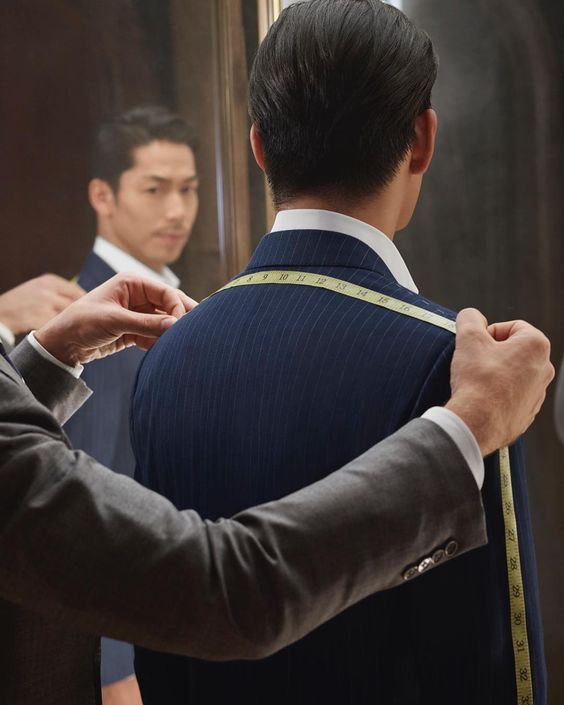
1. Appointment and initial meeting
You’ll first need to schedule an appointment with us for an initial meeting with one of our expert tailors. During this initial meeting, you’ll discuss your expectations, preferences, and special needs with our experts. We’ll listen carefully and provide expert, tailor-made solutions to ensure your tailored suit is perfectly tailored to your needs.
2. Body Measurements
After your initial meeting, our tailors will take detailed measurements of your body. From shoulder width to waist, hips to sleeve length, we’ll ensure every measurement is accurately recorded. These precise measurements provide us with the foundation we need to create your custom suit.
3. Choose the fabric and style you want or prefer
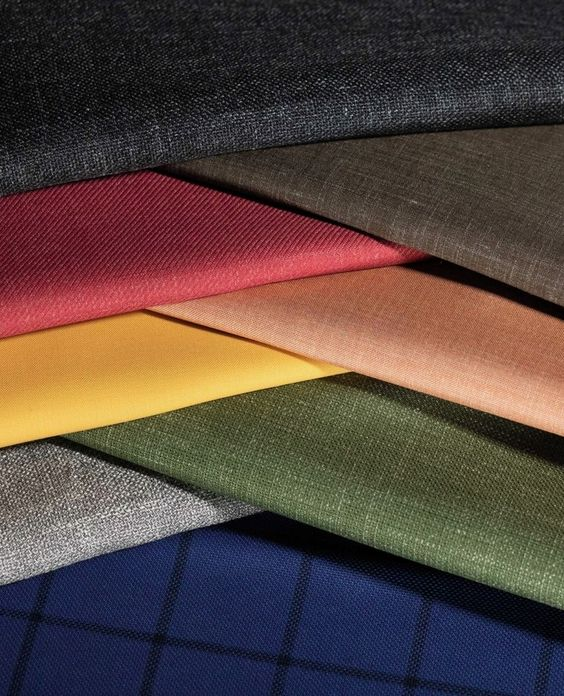
Next, we’ll present you with samples of a wide variety of high-quality fabrics and styles, allowing you to choose from a selection tailored to your preferences and needs. Whether it’s classic wool or lightweight silk, we’ll ensure you have the perfect fit. As for the style, you can choose single-breasted or double-breasted, lapel shape, and other details to ensure your suit perfectly suits your style.
4. Fitting and Adjustment
The bespoke suit production process involves several fittings. At each fitting, we’ll show you a preliminary version of the finished product and listen to your feedback. If you require any adjustments or modifications, we’ll address them immediately until you’re satisfied. We’re committed to ensuring every client has a perfectly fitting bespoke suit.
5. Detailed Design
The details of a bespoke suit are key to personalisation. You can choose details like pocket style, button pattern, and lining colour to create a one-of-a-kind suit. Our experts will tailor the perfect details to your preferences and needs, ensuring your suit stands out from the crowd.
6. Final Delivery
Once all adjustments and detailed design are complete, your custom suit enters the final production phase. We will produce your suit to the highest standards of craftsmanship and quality, and deliver it to you on the agreed date. Upon receiving your suit, we will arrange a final fitting to ensure your complete satisfaction.
What fabrics are used for suits?
1. Wool
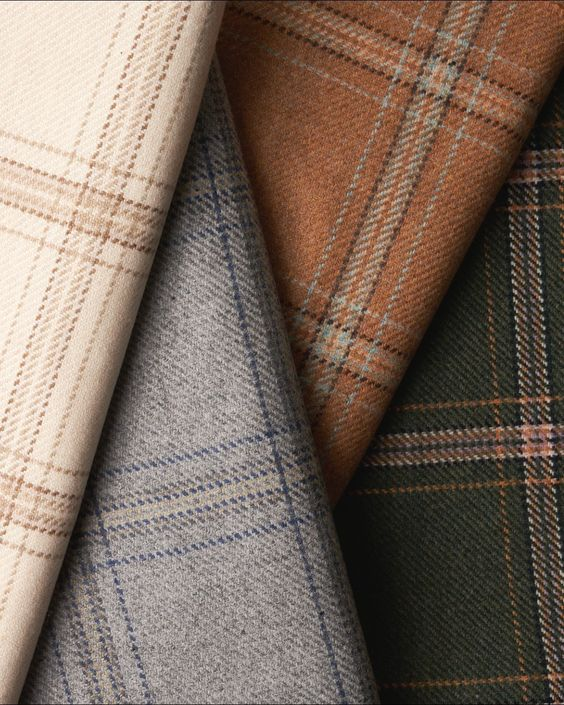
As a natural fiber, wool plays an important role in clothing manufacturing due to its unique properties and diversity, especially in suit making. Here are some common wool fabrics and their characteristics:
Basic properties of wool
- Breathability: Wool’s fiber structure allows air to circulate, helping to maintain body temperature balance.
- Shape Retention: Wool has a natural elasticity that allows it to return to its original shape after wear and washing.
- Wrinkle resistance: The elasticity of wool fiber also makes it wrinkle-resistant, making it neater to wear.
Other types of wool fabrics
Worsted Wool
Features: This wool fabric is made through a special weaving process, the fibers are longer and straighter, and the surface of the woven cloth is smooth.
Uses: Commonly used in making high-end and formal business suits. Due to its gloss and texture, it is often used in office and formal occasions.
Tweed
Characteristics: Wool is a coarser and thicker wool fabric, often with different colored fibers and a unique texture.
Uses: Very suitable for winter wear, often used to make casual suits, hunting suits and winter coats, which are both warm and British style.
Wool Crepe
Features : With a lighter texture and slightly rough surface, this wool fabric is usually softer and more elastic due to special textile technology. Uses: Suitable for women’s clothing such as skirts and suits, as well as lighter suits in summer .
2. Cotton
Cotton, a widely used natural fiber, is particularly popular in the clothing industry due to its unique properties and comfort. The following details the use of cotton in suit making, along with its advantages and disadvantages:
Basic properties of cotton materials
- Breathability: Cotton fibers have good air permeability, making the garment feel cool when worn and ideal for warm or humid climates.
- Hygroscopicity: Cotton fibers absorb moisture from the body’s surface, helping to regulate body temperature and reduce dampness.
- Comfort: Cotton is soft and has little irritation to the skin. It is suitable for sensitive skin and enhances wearing comfort.
Advantages of cotton suits
- High comfort: Cotton suits are generally very soft and comfortable, making them suitable for wearing for long periods of time.
- Easy to clean and maintain: Compared to materials like wool and silk, cotton is relatively simple to clean and maintain and is suitable for regular washing machines.
- Strong adaptability: Cotton suits can be designed into various styles and are suitable for a variety of casual occasions, such as weekend gatherings, casual office work, etc.
Disadvantages of cotton suits
- Easy to wrinkle: The main disadvantage of cotton is that it wrinkles easily. After wearing for a period of time, it may look untidy and require frequent ironing.
- Poor shape retention: Compared with fabrics such as wool, cotton has poorer shape retention and may become loose after long-term wear.
Types of cotton materials and their suitability
- Plain cotton: A basic cotton fabric with a smooth surface and good breathability, suitable for making summer casual suits.
- Twill cotton: This type of cotton material has better wear resistance and fewer wrinkles, and is suitable for making slightly formal cotton suits.
- Oxford cotton: A cotton material with a rough texture, often used to make more casual shirts and suits, with good breathability.
3. Flax
Linen, also known as Linen in English, is an ancient and ecologically conscious fabric made from fibers extracted from the stems of the flax plant. It is loved for its unique properties and suitability for summer wear.
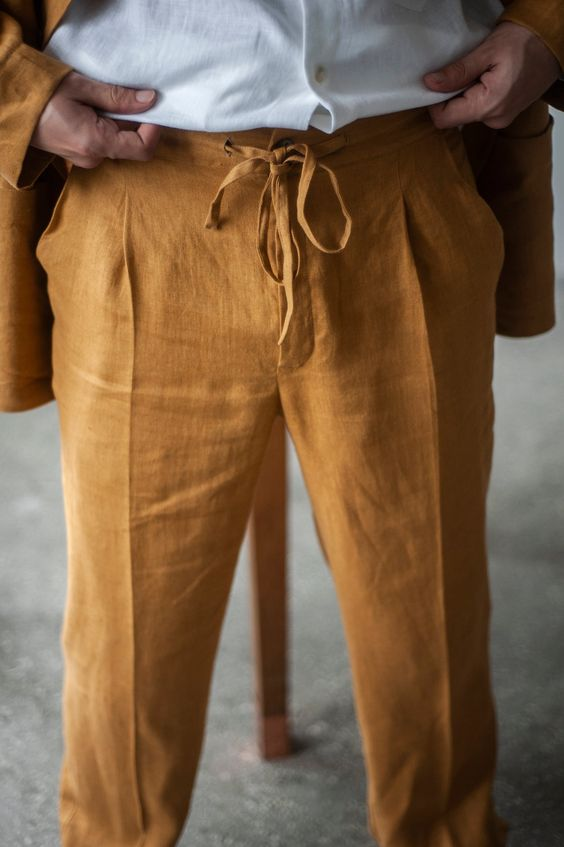
Basic properties of flax
- Breathability: The structure of flax fiber gives it excellent air circulation, which can effectively help the body dissipate heat and keep cool.
- Moisture wicking: Linen absorbs and releases moisture quickly, which makes it particularly comfortable in hot weather.
Advantages of linen fabric
- Heat dissipation and moisture absorption: In hot climates, linen fabric can provide very good comfort and is an ideal choice of clothing material for summer.
- Environmentally friendly: Linen is a sustainable natural fiber whose production has relatively little impact on the environment.
- Durability : Although linen is lightweight, it is a very strong fabric and offers great durability.
Disadvantages of linen fabric
- Easy to wrinkle: The biggest disadvantage of linen is that it wrinkles easily, which may make the wearer look untidy, especially in occasions where a formal appearance needs to be maintained.
- Poor shape retention: Compared with other natural fabrics such as cotton and wool, linen has weaker shape retention ability and clothes tend to lose their original shape during wear.
Occasions for using linen
- Casual Occasions: Linen suits and clothes are perfect for casual, informal summer events like beach parties, outdoor gatherings, etc.
- Business Casual: In a more relaxed business environment, a linen suit can be a cooler option, especially in hotter conditions.
- Summer Travel: Linen clothing is also ideal for summer travel because they are lightweight, easy to pack, and comfortable to wear.
4. Synthetic fibers
Synthetic fibers, such as polyester and nylon, are commonly used in the modern apparel industry, particularly for cost-effective garment production. These fibers excel in specific applications due to their unique physical properties.
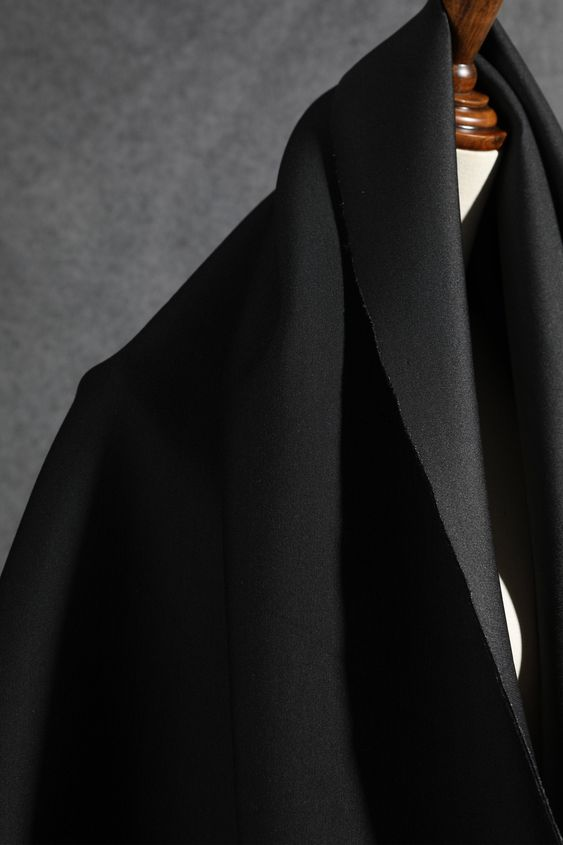
Basic characteristics of synthetic fibers
- Durability: Synthetic fibers such as polyester and nylon are highly resistant to abrasion and tears.
- Easy to care for: These materials are usually machine washable and dry quickly, requiring less daily use and maintenance.
- Cost-effectiveness: The cost of producing synthetic fibers is relatively low, which makes the related products more affordable.
Advantages of synthetic fibers
- Wrinkle resistance: Synthetic garments rarely need ironing because these fabrics retain their shape very well.
- Washable: Synthetic materials can withstand regular washing without losing their shape or shrinking.
- Versatile functionality: Synthetic fibers can be specially treated to have additional properties such as water resistance and wind resistance.
Disadvantages of synthetic fibers
- Breathability and moisture wicking: Compared to natural fibers like cotton and linen, synthetic fibers perform poorly in terms of breathability and moisture wicking, which can lead to discomfort in hot or humid environments.
- Feel and Comfort: Some people may find that synthetic fibers are not as soft and comfortable as natural fibers.
Application scenarios of synthetic fibers
- Sports and Outdoor Apparel: Due to their durability and functionality, synthetic fibers are well-suited for use in sports and outdoor activity gear.
- Everyday casual wear: For everyday wear that doesn’t require high breathability, synthetic fibers offer an affordable option.
- Work Uniforms: Synthetic fibers are a common choice in professional attire where durability and low maintenance are required.
5. Silk
Silk, a natural fiber made from silkworms, is considered a high-end luxury fabric for its exceptional texture and elegant sheen. In the fashion industry, silk is often used to create high-end apparel, such as formal suits, dresses, and evening gowns.
Basic properties of silk
- Luster: Silk has a natural sheen that makes the garments look noble and elegant.
- Softness: Silk has an extremely soft feel and provides excellent comfort.
Advantages of silk fabrics
- Elegant appearance: Silk is often used to make high-end dresses and formal wear because of its natural shimmer and smooth touch, providing an unparalleled elegance.
- Temperature regulation: Although silk is light and thin, it has good thermal insulation properties, keeping you cool in the summer and warm in the winter.
- Breathability: Silk has good breathability, making the wearer feel more comfortable.
Disadvantages of silk fabrics
High Cost: Silk is expensive to produce, primarily due to the complex and labor-intensive production process.
Difficult to maintain: Silk garments require careful care. They often require dry cleaning and are very sensitive to chemicals and friction.
Fragility: While elegant, silk is relatively fragile and easily damaged by sweat, sunlight, and friction.
Suitable occasions for silk
Formal Occasions: Due to its natural sheen and elegant look, silk is perfect for any formal occasion such as weddings, black-tie dinners, and other high-end social events.
Business and social events: For business people who want to present a high-end image, silk suits are an ideal choice to show personal taste.
Summer Wear: The cooling feel of silk also makes it an ideal choice for elegant summer wear, especially in hot conditions.
End
This article explores the advantages of a bespoke suit and demonstrates how personalized design can enhance your image and confidence. A bespoke suit is more than just a choice of comfort and style; it’s a reflection of your lifestyle, encompassing a meticulous attention to detail, quality, and personal style. The entire custom process, from appointment to garment delivery, emphasizes personalized service and high-quality standards, ensuring every customer’s needs are met. A bespoke suit is an investment in your image, perfect for business or special occasions.
Want a one-of-a-kind, custom-made suit? Visit Meiko Tailor and schedule your exclusive experience. We promise to provide you with an unparalleled tailoring experience. Click here to begin your tailoring journey!